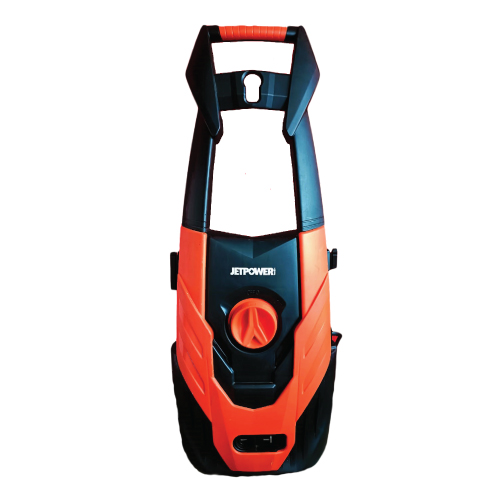
M-290
MASTERMATE



A vacuum cleaner is an indispensable tool for maintaining a clean and healthy home. Regular maintenance not only extends the lifespan of your vacuum cleaner but also ensures it operates at peak efficiency. Here are some essential maintenance tips to keep your vacuum cleaner in top condition. 1. Regularly Empty the Dust Bag or Canister One of the simplest yet most important maintenance tasks is emptying the dust bag or canister frequently. A full bag or canister reduces suction power and strains the motor. 2. Clean or Replace Filters Filters play a crucial role in trapping dust, allergens, and other particles. Over time, they can become clogged and reduce the vacuum’s performance. 3. Inspect and Clean the Brush Roll The brush roll, or beater bar, agitates the carpet fibers to lift dirt and debris. Hair, string, and other debris can get tangled around the brush, hindering its function. 4. Check and Clean Hoses and Attachments Hoses and attachments can become clogged with dirt, hair, and debris, reducing suction power. 5. Maintain the Vacuum Belt The belt drives the brush roll and can wear out or break over time. 6. Clean the Exterior and Wheels Dust and dirt can accumulate on the exterior and wheels of your vacuum cleaner. 7. Store Properly Proper storage can prevent damage and prolong the life of your vacuum cleaner. 8. Regular Professional Servicing For optimal performance, consider having your vacuum cleaner serviced by a professional. Conclusion Regular maintenance is key to ensuring your vacuum cleaner remains efficient and effective. By following these essential maintenance tips, you’ll not only extend the lifespan of your vacuum cleaner but also enjoy a cleaner and healthier home. For more tips and high-quality vacuum cleaners, visit our website or contact us at Powerxn. We’re here to help you keep your home spotless with the best tools and advice.

Welding machines are fundamental tools across various industries, from construction and manufacturing to automotive and artistic applications. Knowing the different types of welding machines and their uses can help you select the right one for your needs. This guide will provide an overview of the primary welding machine types and their applications. Shielded Metal Arc Welding (SMAW) – Stick Welding SMAW, or stick welding, is one of the most commonly used welding processes. It uses a consumable electrode coated in flux to create the weld. Gas Metal Arc Welding (GMAW) – MIG Welding MIG welding uses a continuous solid wire electrode fed through a welding gun. The arc is created between the wire and the workpiece, shielded by an inert gas. Gas Tungsten Arc Welding (GTAW) – TIG Welding TIG welding employs a non-consumable tungsten electrode. The arc is shielded by an inert gas, and a separate filler material is often used. Flux-Cored Arc Welding (FCAW) FCAW utilizes a continuous tubular wire filled with flux. It can be self-shielded or dual-shielded with an additional gas. Submerged Arc Welding (SAW) SAW involves a consumable electrode and a granular flux that covers the welding area, protecting it from contamination. Plasma Arc Welding (PAW) PAW uses a plasma torch to create a high-temperature plasma arc. This process provides precise control over the welding. Conclusion Selecting the right welding machine depends on the specifics of your projects, including the materials, thickness, and desired weld quality. By understanding the different types of welding machines and their applications, you can make an informed choice that ensures successful welding outcomes. For more information on high-quality welding machines and accessories, visit our website or contact us at Powerxn. We’re here to help you find the perfect tools for your welding needs.

A vacuum cleaner is a versatile tool designed to tackle a variety of surfaces, from carpets and rugs to hardwood floors and upholstery. To get the most out of your vacuum cleaner and ensure optimal cleaning results, it’s important to adjust your approach based on the type of surface you’re dealing with. Here’s a guide on how to achieve the best results with your vacuum cleaner across different surfaces. 1. Carpet and Rugs Challenges: Carpets and rugs can trap dirt, dust, and allergens deep within their fibers, making them more challenging to clean. Tips for Best Results: 2. Hardwood Floors Challenges: Hardwood floors are prone to scratches and damage from abrasive cleaning tools and excessive suction. Tips for Best Results: 3. Tile and Stone Floors Challenges: Tile and stone floors can have grout lines and uneven surfaces that trap dirt and dust. Tips for Best Results: 4. Upholstery Challenges: Upholstery fabrics can be delicate and easily damaged by rough brushes or excessive suction. Tips for Best Results: 5. Stairs Challenges: Stairs can be tricky to clean due to their vertical surfaces and confined spaces. Tips for Best Results: 6. Pet Hair Challenges: Pet hair can be stubborn and cling to various surfaces, making it difficult to remove. Tips for Best Results: Conclusion By adjusting your vacuuming techniques and using the appropriate attachments for each surface, you can achieve the best cleaning results and maintain a healthier living environment. Regular maintenance and proper use of your vacuum cleaner ensure that it performs efficiently across various surfaces. For more tips on using your vacuum cleaner effectively or to find high-quality vacuum cleaners and accessories, visit our website or contact us at Powerxn. We’re here to support all your cleaning needs and help you keep your home spotless.