EL 20
MR CLEAN


In today’s world, where environmental concerns are increasingly at the forefront, choosing energy-efficient appliances is more important than ever. Pressure washers, commonly used for a variety of cleaning tasks, are no exception. Energy-efficient pressure washers not only save on utility bills but also offer several environmental benefits. Here’s a look at why opting for an energy-efficient pressure washer is a smart and eco-friendly choice. 1. Reduced Energy Consumption Why It Matters: Traditional pressure washers can be energy-intensive, leading to higher electricity usage and increased carbon emissions. Benefits: 2. Water Conservation Why It Matters: Water is a precious resource, and excessive use can strain local supplies and ecosystems. Benefits: 3. Lower Emissions Why It Matters: Many pressure washers, especially gas-powered models, can emit pollutants that contribute to air quality issues and health problems. Benefits: 4. Durability and Longer Lifespan Why It Matters: Frequent replacement of appliances contributes to electronic waste, which can be harmful to the environment. Benefits: 5. Improved Cleaning Efficiency Why It Matters: Effective cleaning with less resource usage is key to minimizing environmental impact. Benefits: 6. Eco-Friendly Features Why It Matters: Additional features in energy-efficient pressure washers can further enhance their environmental benefits. Benefits: Conclusion Choosing an energy-efficient pressure washer is a proactive step towards a more sustainable and environmentally friendly lifestyle. These washers offer significant benefits, including reduced energy consumption, water conservation, lower emissions, and improved durability. By opting for an energy-efficient model, you not only contribute to environmental preservation but also enjoy cost savings and superior cleaning performance. For more information on energy-efficient pressure washers and to find the best models for your needs, visit our website or contact us at Powerxn. We are committed to providing high-quality, eco-friendly cleaning solutions that help you achieve excellent results while protecting the planet.
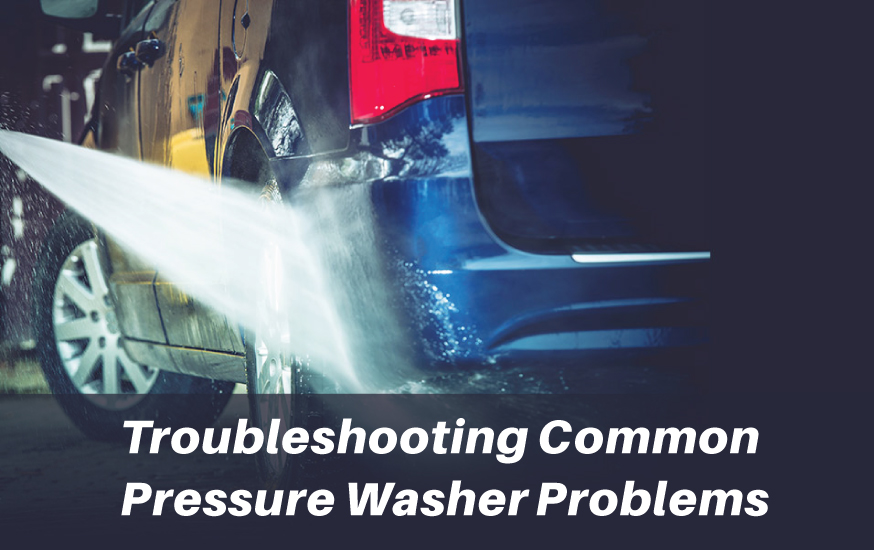
Pressure washers are invaluable tools for cleaning a wide variety of surfaces, from driveways and decks to vehicles and outdoor furniture. However, like any piece of equipment, they can occasionally run into issues. Understanding how to troubleshoot common problems can save you time and money, and ensure your pressure washer operates efficiently. This guide will help you identify and resolve some of the most common pressure washer problems. Problem 1: Pressure Washer Won’t Start Possible Causes: Solutions: Problem 2: Low or Fluctuating Pressure Possible Causes: Solutions: Problem 3: Water Leaks Possible Causes: Solutions: Problem 4: Pressure Washer Shuts Down During Use Possible Causes: Solutions: Problem 5: Detergent Not Dispensing Possible Causes: Solutions: Conclusion By understanding and troubleshooting these common pressure washer problems, you can ensure your equipment remains in top working condition. Regular maintenance and prompt attention to issues can extend the life of your pressure washer and keep your cleaning tasks running smoothly. For further assistance or high-quality pressure washer products and accessories, visit our website or contact us at Powerxn. Our team is here to help with all your pressure washer needs.
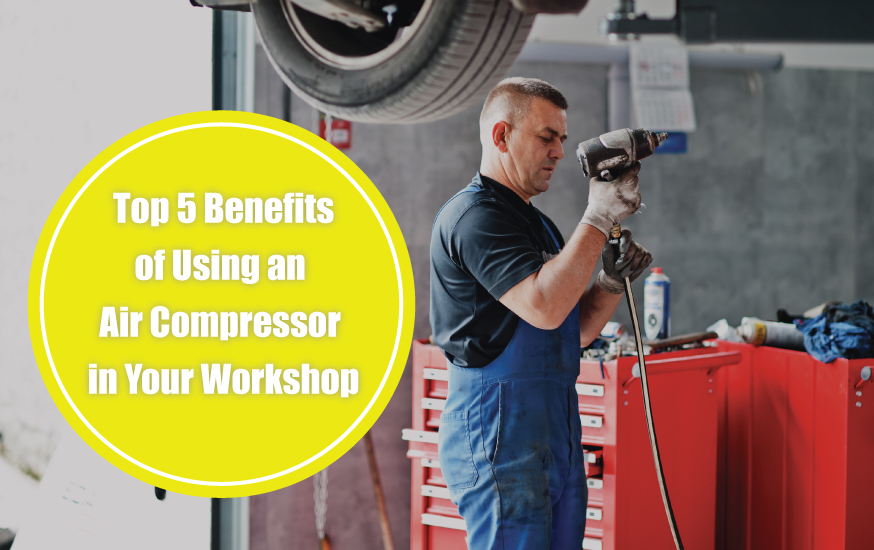
An air compressor is a versatile and valuable tool for any workshop, whether you’re a professional mechanic, a carpenter, or a DIY enthusiast. It powers a variety of tools and equipment, making tasks easier and more efficient. Here are the top 5 benefits of using an air compressor in your workshop. 1. Increased Efficiency and Productivity Air compressors can significantly enhance the efficiency and productivity of your workshop. They power a range of pneumatic tools, such as impact wrenches, nail guns, and paint sprayers, which are often faster and more powerful than their electric counterparts. 2. Versatility and Wide Range of Applications An air compressor is incredibly versatile and can be used for various applications in your workshop. 3. Cost-Effectiveness While the initial investment in an air compressor and pneumatic tools might seem high, the long-term benefits make it a cost-effective choice. 4. Enhanced Safety Using an air compressor can improve safety in your workshop. Pneumatic tools are often safer than electric tools for several reasons. 5. Portability and Convenience Modern air compressors are designed to be portable and convenient, making them easy to use in various locations within your workshop or on job sites. Conclusion An air compressor is a valuable addition to any workshop, offering increased efficiency, versatility, cost-effectiveness, enhanced safety, and convenience. Whether you’re a professional or a hobbyist, the benefits of using an air compressor can help you tackle a wide range of tasks with ease and precision. For more information on high-quality air compressors and pneumatic tools, visit our website or contact us at Powerxn. We’re here to help you equip your workshop with the best tools for the job.
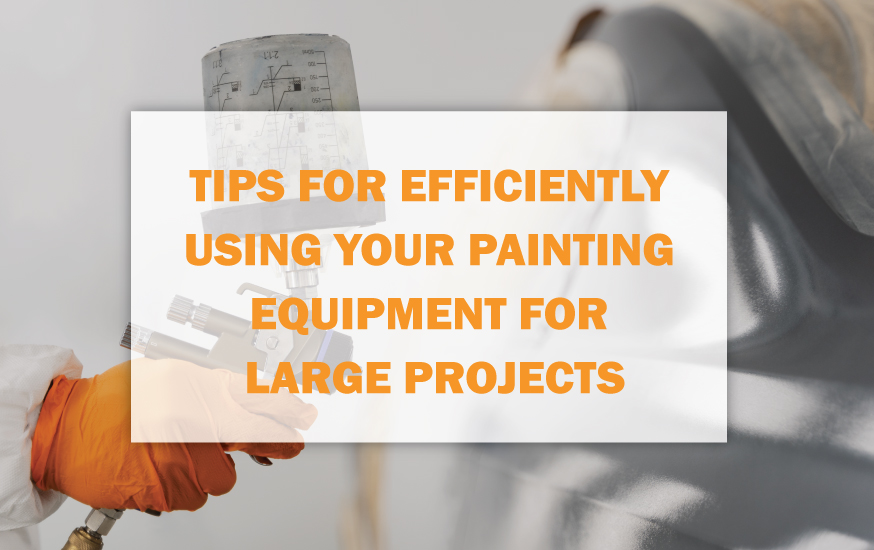
Taking on a large painting project can be a daunting task, but with the right approach and efficient use of your painting equipment, you can achieve professional results with less effort and time. Here are some tips to help you make the most of your painting equipment and streamline your large-scale painting projects. 1. Choose the Right Equipment Why It Matters: Using the right tools for the job ensures efficiency and a high-quality finish. Tips: 2. Plan and Prepare Your Workspace Why It Matters: Proper preparation helps avoid interruptions and ensures a smoother workflow. Tips: 3. Prepare Paint Efficiently Why It Matters: Proper paint preparation ensures consistency and avoids interruptions. Tips: 4. Apply Paint Strategically Why It Matters: Efficient application techniques speed up the process and improve results. Tips: 5. Manage Your Time Effectively Why It Matters: Efficient time management helps complete the project within your schedule and reduces downtime. Tips: 6. Maintain Your Equipment Why It Matters: Proper maintenance extends the life of your tools and ensures optimal performance. Tips: 7. Monitor and Adjust Why It Matters: Continuous monitoring helps identify issues early and adjust techniques as needed. Tips: Conclusion Efficiently using your painting equipment for large projects requires careful planning, preparation, and execution. By choosing the right tools, preparing your workspace, and applying paint strategically, you can achieve a high-quality finish with less effort. For more tips on painting equipment and supplies, or to find the best tools for your projects, visit our website or contact us at Powerxn. We’re here to support your painting needs and ensure your project’s success.

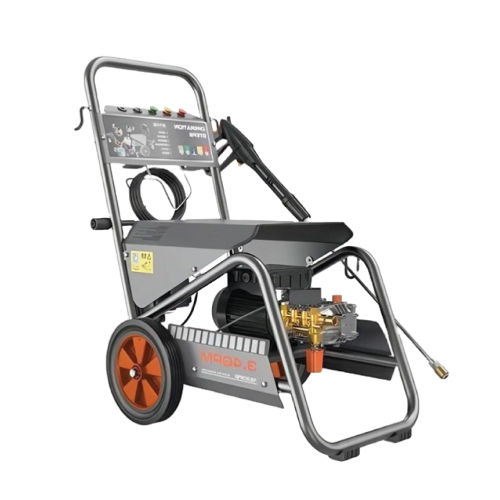
Choosing the right pressure washer can make a significant difference in how efficiently and effectively you can clean surfaces. With a plethora of options available, it’s essential to understand what features and specifications will best suit your needs. In this guide, we’ll explore the key factors to consider when selecting a pressure washer, ensuring you make an informed decision. 1. Understand Your Cleaning Requirements The first step in choosing the right pressure washer is to understand your specific cleaning needs. Ask yourself the following questions: Understanding your requirements will help you determine the type and power of the pressure washer you need. 2. Types of Pressure Washers There are two primary types of pressure washers: electric and gas-powered. Electric Pressure Washers: Gas-Powered Pressure Washers: 3. Key Specifications to Consider When selecting a pressure washer, pay attention to the following specifications: Power (Wattage): Pressure (BAR/PSI): Flow Rate (L/Min): Motor Type: Additional Features: 4. Portability and Storage Consider the size and weight of the pressure washer, especially if you need to move it frequently or store it in a limited space. Models with wheels and adjustable handles, such as the Mastermate M 790, offer greater portability and convenience. 5. Budget Considerations Pressure washers come in a wide price range. Determine your budget and look for models that offer the best value for your money. Remember that investing in a high-quality pressure washer can save you money on maintenance and replacement costs in the long run. 6. Brand and Warranty Choose a reputable brand known for quality and reliability. Brands like Jetpower, Mastermate, and Mr. Clean offer a range of pressure washers designed for various needs. Check the warranty and customer service options to ensure you have support if needed. Conclusion Selecting the right pressure washer involves considering your cleaning needs, understanding the types and specifications of pressure washers, and evaluating additional features, portability, budget, and brand reputation. By following this guide, you’ll be well-equipped to choose a pressure washer that meets your needs and helps you achieve sparkling clean results. For more information and to explore a wide range of high-quality pressure washers, visit our website or contact us at Powerxn. We are here to help you make the best choice for your cleaning requirements.

Painting equipment is essential for achieving professional-quality results, whether you’re tackling a DIY project or working on a larger job. However, using these tools improperly can lead to subpar outcomes and even damage. Here are some common mistakes to avoid when using painting equipment to ensure a smooth and successful painting experience. 1. Skipping Surface Preparation Mistake: Neglecting to properly prepare the surface before painting. Why It Matters: Proper surface preparation is crucial for paint adhesion and achieving a smooth finish. Without it, paint may peel, bubble, or not adhere properly. How to Avoid: 2. Using the Wrong Type of Paint Mistake: Choosing paint that is not suited for the specific surface or project requirements. Why It Matters: Different paints are formulated for different surfaces and conditions. Using the wrong type can lead to poor coverage and durability issues. How to Avoid: 3. Improper Use of Brushes and Rollers Mistake: Using the wrong type of brush or roller for the job or not cleaning them properly. Why It Matters: The wrong tools can result in streaks, uneven coverage, and a less professional finish. Poorly maintained brushes and rollers can also impact paint application. How to Avoid: 4. Applying Paint Too Thickly Mistake: Applying paint in thick coats instead of multiple thin layers. Why It Matters: Thick layers of paint can lead to drips, uneven drying, and an unsightly finish. How to Avoid: 5. Ignoring Environmental Conditions Mistake: Painting in unsuitable weather conditions or without considering temperature and humidity. Why It Matters: Environmental conditions can affect paint application and drying times. High humidity or extreme temperatures can cause issues such as streaking, peeling, or slow drying. How to Avoid: 6. Failing to Mask and Protect Mistake: Not using masking tape or protective coverings for areas that shouldn’t be painted. Why It Matters: Without proper masking and protection, paint can end up on unintended surfaces, leading to a messy appearance and extra cleanup. How to Avoid: 7. Not Testing Paint Colors Mistake: Skipping the step of testing paint colors before committing to a full application. Why It Matters: Colors can appear differently on the wall than they do in the sample, and lighting can affect how a color looks in your space. How to Avoid: Conclusion Avoiding these common mistakes will help you achieve a professional-looking paint job and ensure that your painting project goes smoothly. Proper preparation, tool selection, and application techniques are key to a successful outcome. For more tips on using painting equipment effectively, or to find high-quality tools and supplies, visit our website or contact us at Powerxn. We’re here to support all your painting needs.